Why JPEG Is Still the Most Popular Image Format on the Web
An overview of why JPEG remains widely used for websites, photography, social media, and everyday image sharing.
- JPEG remains the default practical choice for many photographic images because it balances quality, size, and compatibility.
- By W3Techs site usage data checked on April 29, 2026, JPEG appeared on 71.6% of websites while PNG appeared on 77.1%.
- JPEG is not best for every image, but it is still hard to beat for ordinary photos that need to work everywhere.
JPEG solves the photo problem well
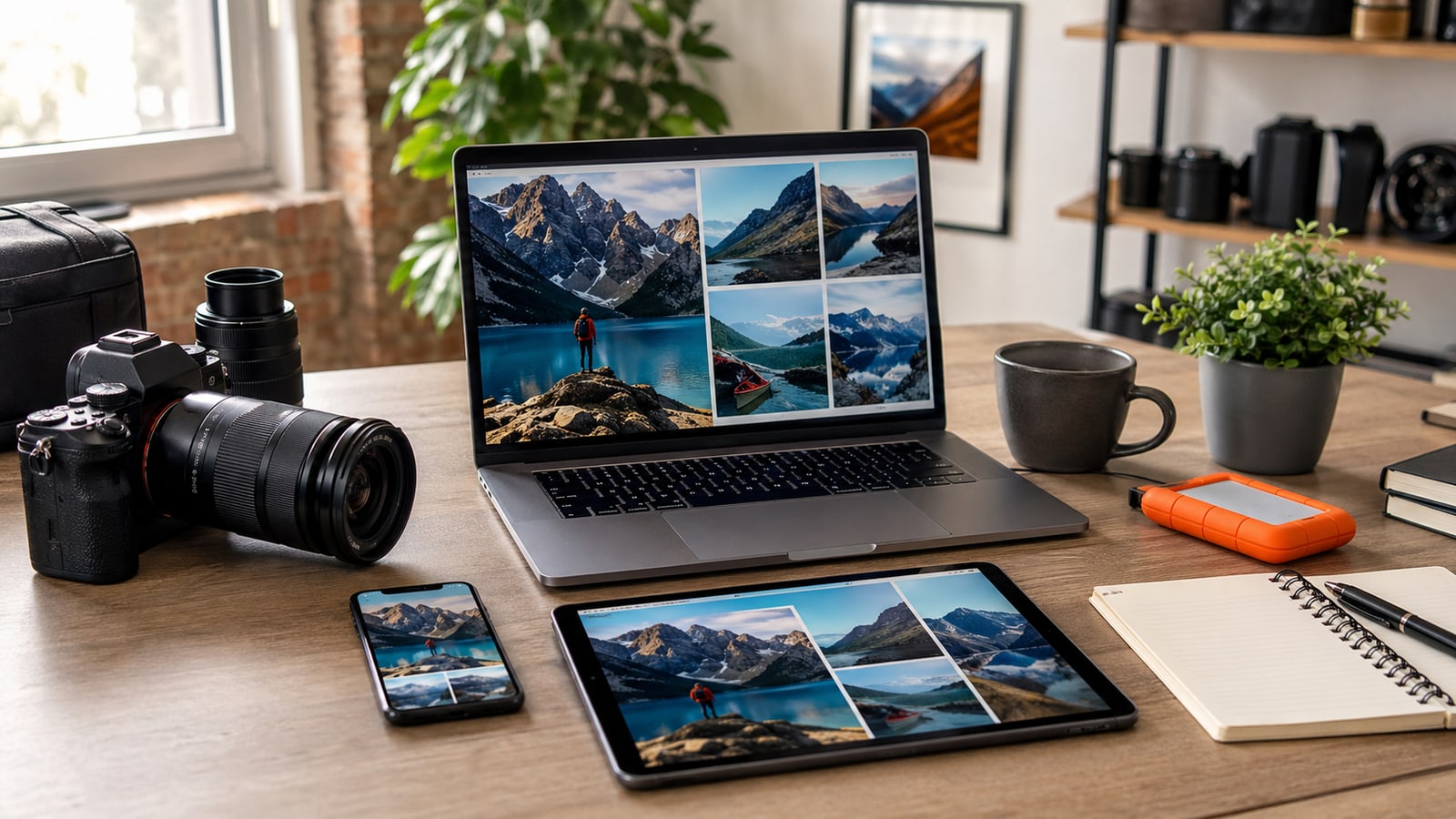
Photographs are visually complex. They contain gradients, texture, noise, skin tones, shadows, and thousands or millions of colors. JPEG was designed for this kind of continuous-tone image, and that is why it still fits photography so well.
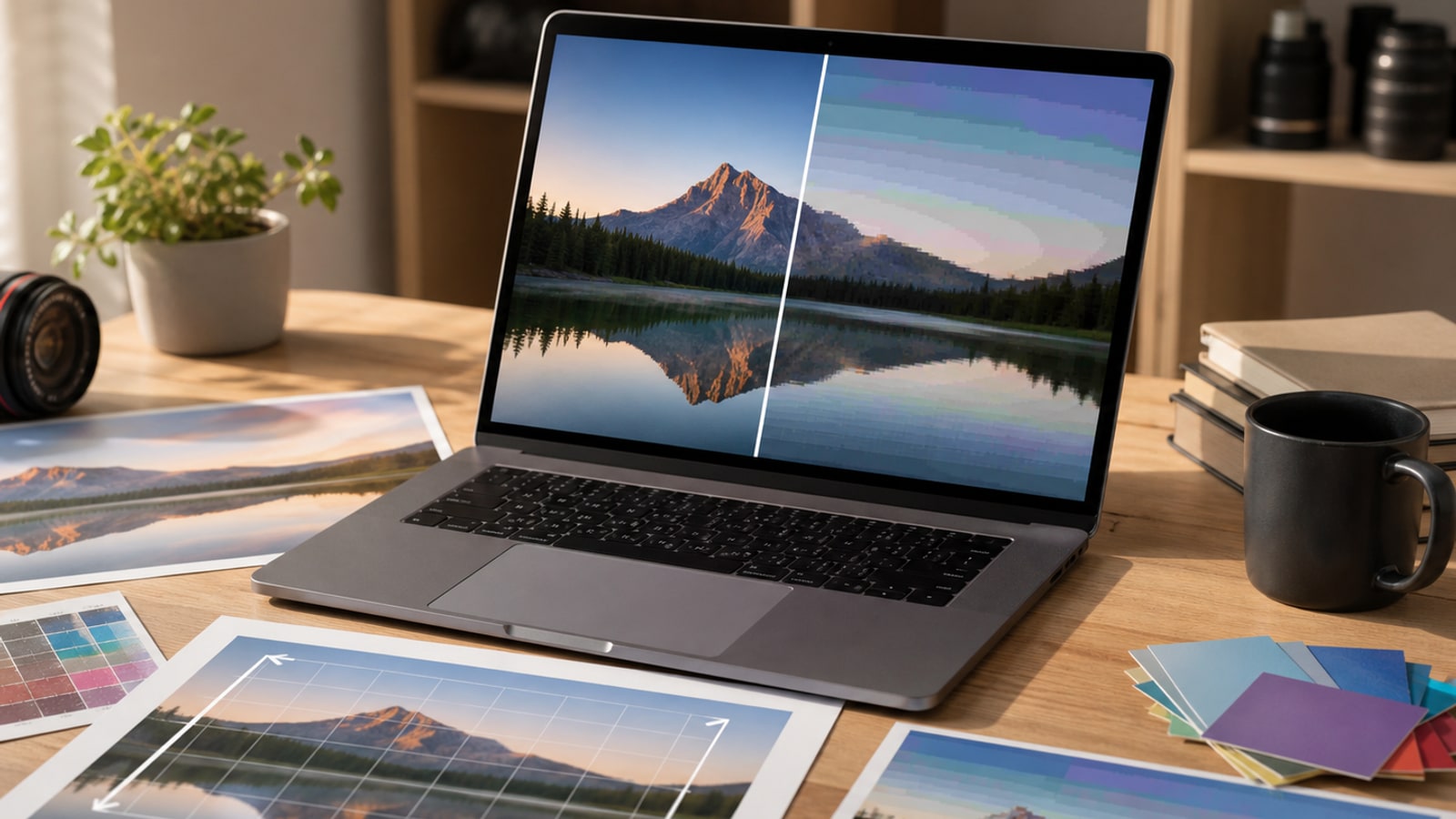
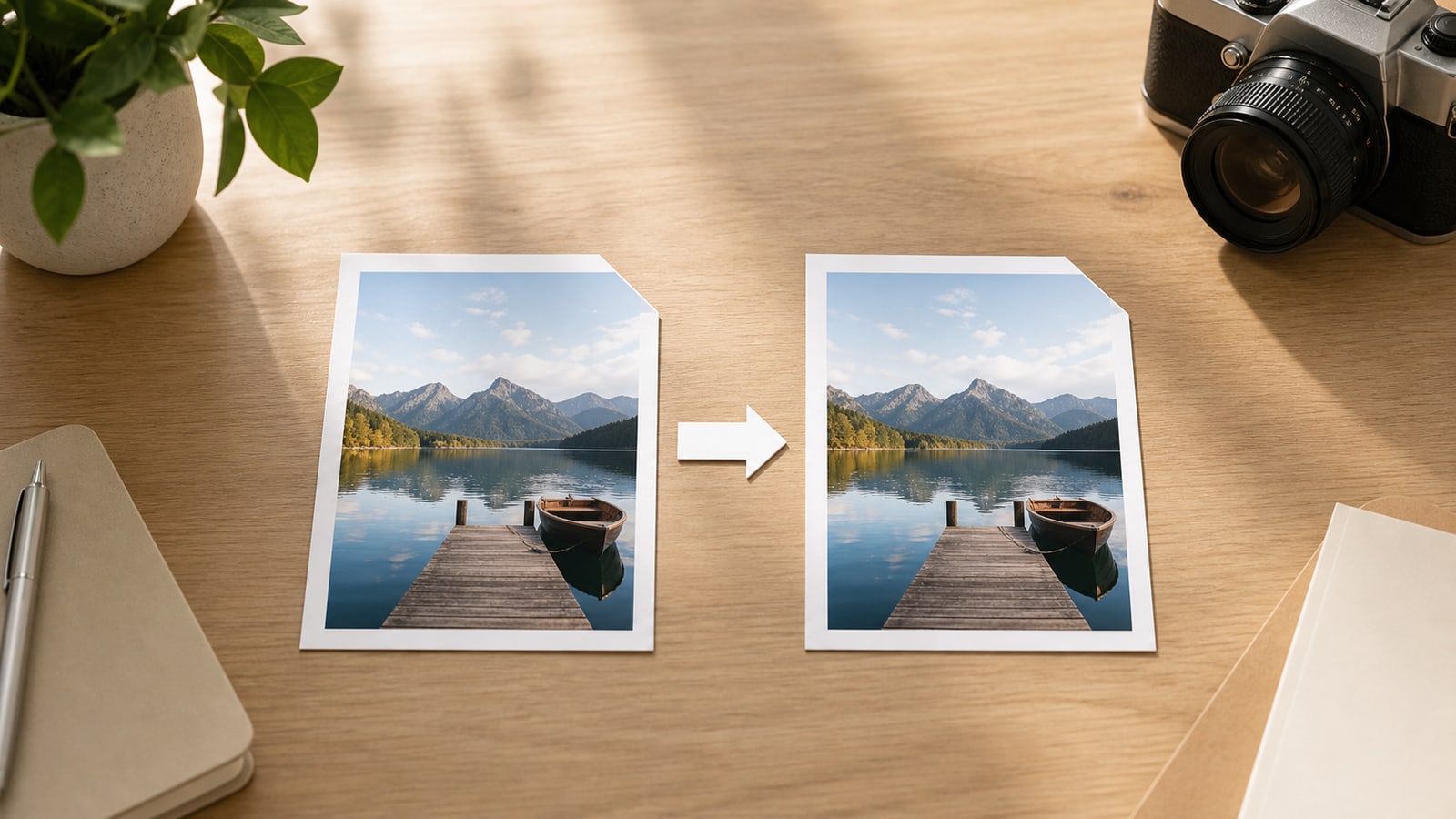
The format uses lossy compression, which means it can throw away some visual information to make a smaller file. Used carefully, that tradeoff is often difficult to notice in a finished photo but very useful for page speed, sharing, and storage.
The compatibility advantage is enormous
JPEG works almost everywhere: browsers, phones, cameras, editing apps, content management systems, email clients, operating systems, social platforms, and old office software. That universality matters more than people expect.
When an image must be opened by anyone, on almost any device, JPEG is a safe default. Newer formats can be excellent, but they often require more attention to browser support, fallbacks, upload limits, or recipient compatibility.
It is still one of the most common web image formats
Usage statistics depend on what is being measured. W3Techs reported on April 29, 2026 that PNG appeared on 77.1% of websites and JPEG appeared on 71.6%. That means PNG can rank higher by site presence, while JPEG remains the most important everyday format for photographic web images.
The reason is simple: PNG is common for interface images, logos, screenshots, and transparent assets. JPEG is common where the image is a real-world photo: product shots, articles, travel images, hero photos, galleries, profile photos, and social previews.
JPEG fits real publishing workflows
A website is only one stop in an image workflow. A photo may start in a camera, move through editing software, get uploaded to a CMS, appear in a newsletter, then be reused in a marketplace, social post, or internal document. JPEG usually survives that journey with fewer surprises.
For many teams, JPEG is not chosen because it is the newest option. It is chosen because the next system in the chain will accept it without a special rule.
- Cameras and editing tools export JPEG easily
- CMS media libraries commonly accept JPEG
- Social platforms understand JPEG previews
- Email and business tools handle JPEG attachments reliably
Where JPEG is not the best choice
JPEG is not ideal for every image. It does not support transparency. It can create visible artifacts around sharp text, UI screenshots, and flat graphics. Re-saving the same JPEG repeatedly can also degrade quality.
For logos, icons, screenshots, transparent graphics, and modern performance-tuned websites, PNG, SVG, and WebP may be better. The point is not that JPEG should replace every format. The point is that JPEG is still a very strong default for photos.
A practical publishing checklist
Use JPEG when the image is photographic, compatibility matters, and the file size needs to stay reasonable. Export from the highest-quality original you have, choose a quality setting that preserves the photo, and avoid repeatedly re-saving already-compressed JPEGs.
If you want modern delivery, you can serve WebP or AVIF to browsers that support them while keeping JPEG as a fallback. That gives you performance gains without abandoning the format that almost every system understands.